
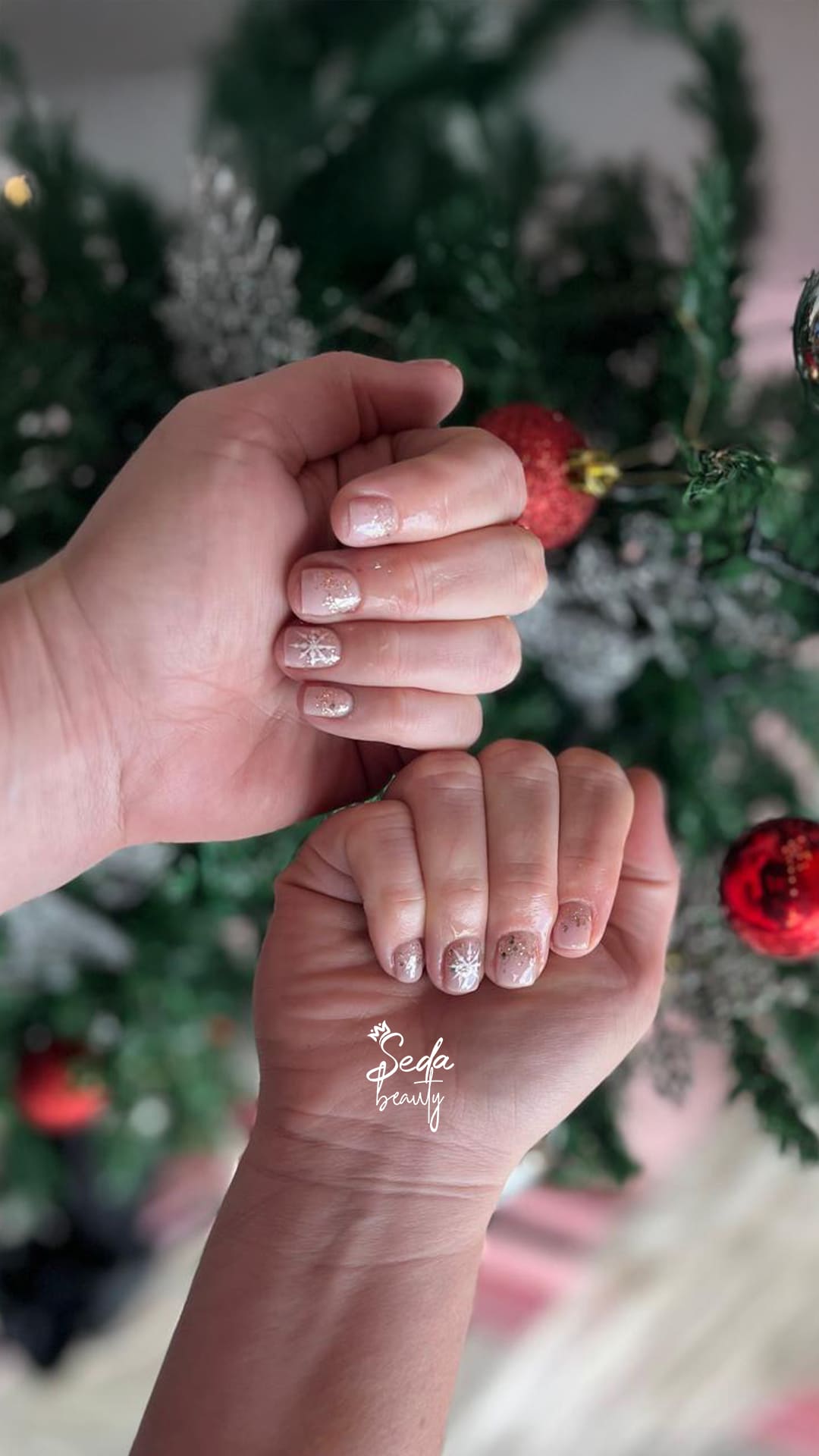
Nail care is probably the most important and at the same time the most neglected procedure in personal grooming. In fact, proper nail care is a major factor not only in the lifespan of your manicure but also in maintaining the health of your nails. No matter what you choose – a traditional polish finish, a durable gel manicure, or a completely natural appearance – diligent nail care is the secret behind strong, smooth, and brightened nails all the time. For a lot of people, nail issues like peeling, breakage, or thinning seem to come out of nowhere—but with a proper nail care routine, those problems can usually be avoided almost entirely.
Why Nail Care Is the Foundation of Every Manicure
It is a general belief that nails are inherently strong, yet they actually showcase your daily activities, food intake, habits and care. Nail care neglect results in a weak, brittle and uneven nail plate. As a result, every lacquer—be it gel or regular—will soon come off, and its shine will also fade quickly.
But then again, if we do proper nail care, the keratin structure in the nail is made stronger, hydration is kept, the cuticle area is protected and nail flexibility is enhanced. This will lead to:
- Longer lasting manicures
- Less peeling and cracking
- Stronger nail growth
- Smooth and shiny appearance
- Reduced breakage during daily activities
So, if you’ve ever wondered how to keep nail polish from peeling, the solution lies less in the brand of polish and more in the quality of your nail care.
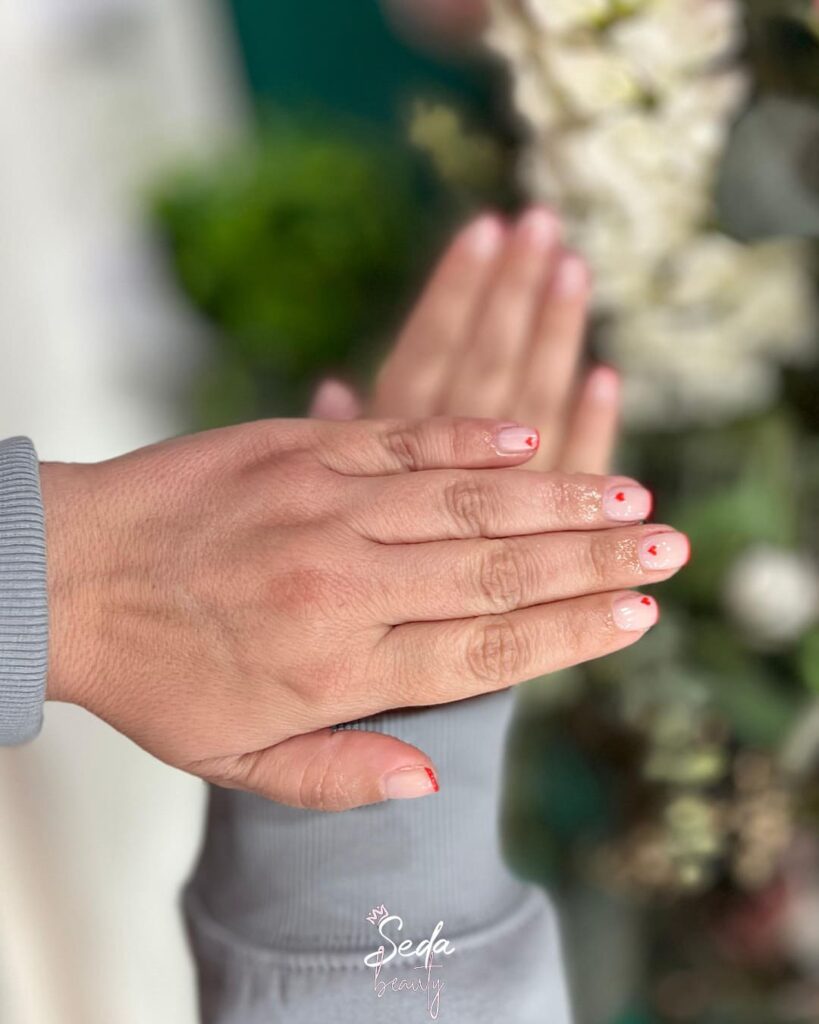
Building the Perfect Nail Care Routine
A great nail routine doesn’t need to be expensive or complicated. What matters is consistency, correct technique and choosing the right products for your nail type.
1. Start With Clean, Dry and Properly Shaped Nails
The most basic step of nail care is cleaning the nail plate thoroughly. Any residue—oil, dust or leftover polish—prevents adhesion and leads to premature peeling.
- Gently push back cuticles
- Remove dead skin around the nail
- File in one direction to prevent splitting
- Avoid metal files for weak nails
Correct filing alone can dramatically reduce breakage.
2. Hydration: The Heart of Nail Care
Daily hydration is the secret behind flexible, strong nails. Your nails need moisture just like your skin, yet many people skip this step entirely.
Use:
- Cuticle oil (2–3 times daily if possible)
- Hydrating hand cream
- Nail serums with vitamins
This not only strengthens nails but also prevents the cuticles from cracking.
3. Strengthen With the Right Nail Treatment
Weak nails require a solid foundation before any polish is applied. Keratin infused, calcium boosting, or vitamin rich nail treatments are usually the best for weak nails. These treatments fill the microscopic gaps on the nail surface thus making it smoother and stronger.
Some people like to use the best nail treatment which is a multi purpose product that serves as a repair serum and a long lasting base coat at the same time.
Moreover, these treatments can also be used as gel or regular polish bases.
4. Choose Better Polishes for Healthier Nails
High quality nail polishes are much more important than the majority of the people think. The low end products, on the other hand, create peeling, lifting, or even dullness in just a few days.
If you are a gel fan, make sure to invest in a nail polish that is reliable or a gel care product. These types of formulas are made to stick to the nail in a better way and protect the natural nail as well as provide the long lasting durability.
5. Never Skip the Base Coat or Topcoat
A base coat serves to protect the nail, improve adhesion and prevent staining. A top coat, on its part, seals the entire process, increases the luster and significantly reduces the occurrence of chipping.
Not using either one is actually one of the main reasons why there are people who look for answers to questions like how to keep nail polish from peeling.
Why Nail Polish Peels Early — And How to Stop It (Expanded & Detailed)
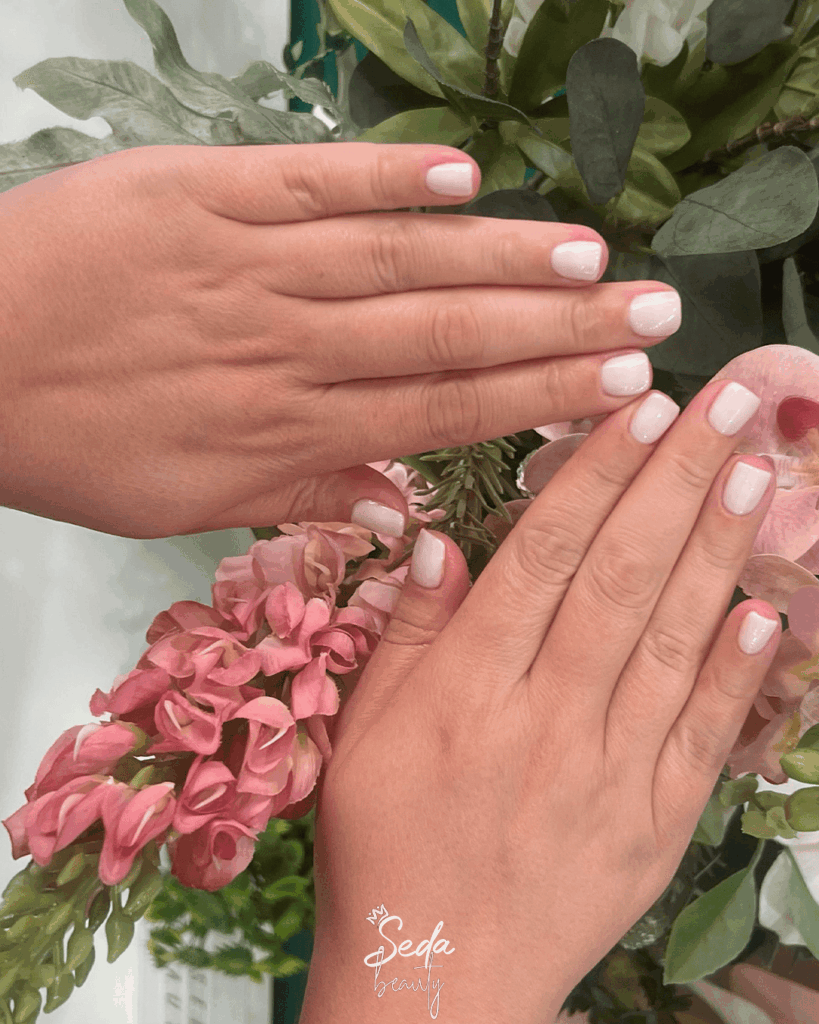
Peeling polish is among the most frequent nail peeves, and there is nothing as disheartening as seeing your newly painted nails come off in a few days or even hours. Luckily, early peeling is usually avoidable. If you grasp the reason for it, you will be capable of modifying your schedule with no trouble and prolonging the durability of your manicure.
Dehydrate the Nail Plate Correctly
Your nails are capable of producing oils that are delivered to the surface of the nail plate. These oils form a barrier between the polish and the nail, thus leading to the premature lifting of the polish. By using an alcohol based cleaner or nail dehydrator, you can wipe your nails and get rid of the invisible oily layer which results in a surface that is ideal for adhesion. This step is vital for both gel and traditional polish, and not performing it nearly ensures early peeling.
Apply Thin, Even Layers
It may look like thick layers are a shortcut, but they are the source of several problems at the same time. Thick polish does not dry uniformly and the bottom layer remains soft while the top layer feels dry. Therefore, this uneven drying causes bubbling, wrinkling, and eventually peeling. Gel polish is even more difficult to work with—thick layers will not allow the gel to cure properly under the lamp and moisture will get trapped in between layers. Application of thin coats results in better bonding, faster curing and ultimately, a stronger foundation being built.
Cap the Free Edge
Free edge capping (or sealing) is the process of applying base coat, colour and top coat to the very tip of the nail. This not only secures the polish but also shields the nail from water, oils and friction thus preventing lifting. Though it’s a minuscule step, it greatly prolongs the time of use especially for those who usually have nails that lift or break easily at tips.
Wait Before Contact With Water
Water contact is a fresh manicure’s worst enemy. Your nails will soak up water and get bigger—then when the water evaporates, they go back to their original smaller size. If the nail polish is still wet when the expansion occurs, it loses its grip and the edges start to flake. This is why professionals suggest no dishwashing, showering, or swimming right after nail painting.
Use High Quality Products
Not all polishes are equal in their formulas. Inexpensive ones often have ingredients that are not stable and thus, get lifted quickly, fade quickly or lose their flexibility. Premium quality formulas stick better, last longer and protect the nail plate rather than harm it. This holds true for base and topcoats too—these two products greatly affect the longevity of the nail polish. So, investing in good formulas is actually saving time, effort, and annoyance.
All the steps together result in a long lasting manicure that does not peel, crack, or become dull, thus giving you a salon-like finish every time.
How to Prevent Nail Chipping — Expert Tips (Expanded)
Nail chipping is not merely a polish issue—it is generally an indicator that your nails are under stress or have insufficient strength to handle the daily activities. If you modify your behavior and incorporate protection methods, you can reduce chipping noticeably.
1. Keep the Nails at a Length that is Practical
The length of nails may be very appealing, but they also serve as a disadvantage because they make it easier for the nails to be caught on something and for them to break. If you are a person who types a lot, does hands on activities or does housework, then you would prefer a moderate length as it would be more durable. Besides, when it comes to shorter nails, they flatten the pressure and thus the chance of getting a stress fracture is eliminated.
2. Apply Strengthening Polish on a Regular Basis
Treatment nail polish acts as a cover that is both flexible and hard to crack over your nail plate. The nail does not get the pressure as the treatment does, thus preventing the occurrence of cracks and chips. In fact, a lot of nail strengthening polishes have keratin, calcium, or plant oils that gradually increase the robustness of the nail structure. Due to the constant use of such polish, you will see the transformation of your nails from the weak and frail type to the strong and durable type that is also good at holding the polish.
3. Use Gloves During Cleaning or Dishwashing
The nails’ keratin bonds are weakened by the detergents, cleaning agents, and even hot water. This gradual process ends up softening the nail plate which then becomes more vulnerable to bending or chipping. The wearing of gloves acts as a barrier that separates your nails from the harmful chemicals. This habit may be simple but it is one of the most efficient ways to protect nails and keep the polish looking fresh.
4. Topcoat Reapplication After Every Few Days
Adding a new topcoat layer not only gives the nails a fresh look but also prevents the development of any micro cracks by sealing them. Furthermore, it strengthens the tips and guards against colour loss. Therefore, reapplying every 2-4 days guarantees the protection, lowers chipping and prolongs the life of the manicure for up to a week.
5. Do Not Use Nails as Tools
A lot of people resort to their nails for tasks such as sticker peeling, residue scraping, can opening, and prying apart. These doings exert pressure that is not normal on the tips, resulting in chips, breaks, or even splits all the way down the nail. Be kind to your nails—using tools instead of your fingers— and you will surely see a significant reduction in chipping.
Nail care combined with these habits will give you smooth, chip free nails that will last longer with their polish.
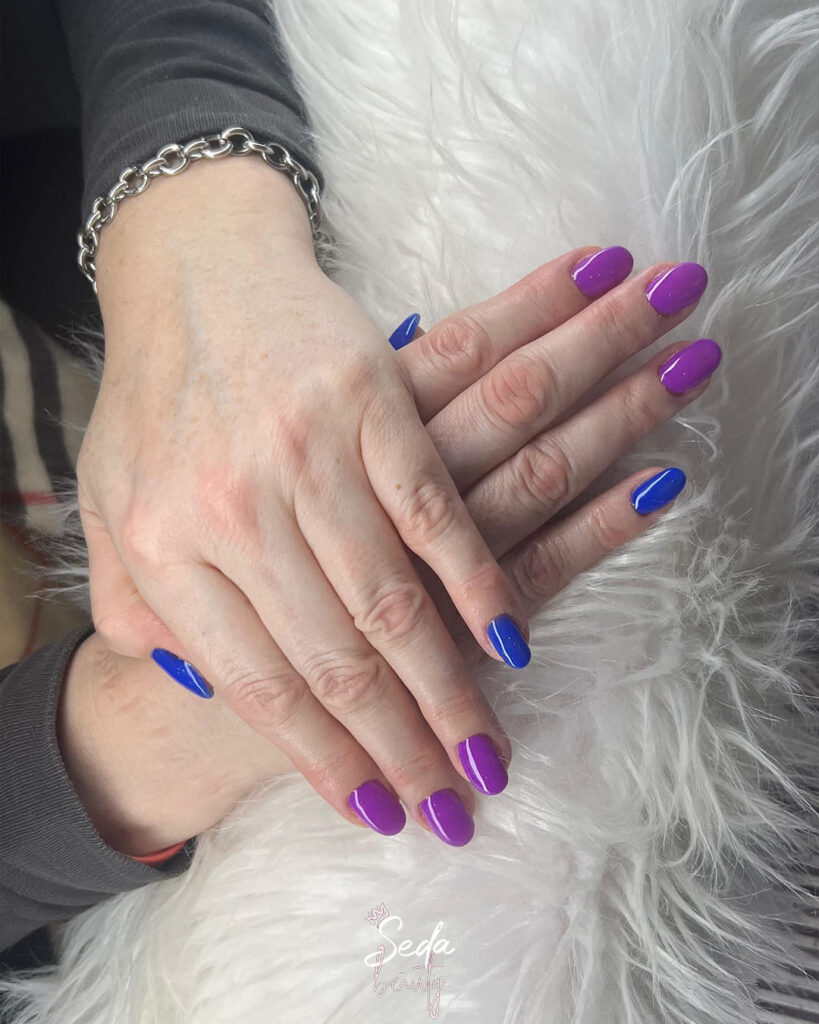
The Best Treatments for Weak Nails (Expanded & Detailed)
Weak nails can be frustrating—they bend easily, break under minimal pressure and struggle to hold polish. Understanding the causes helps you choose the right solutions.
Common Causes of Weak Nails
- Over buffing: removes protective layers
- Harsh removers: strip natural oils
- Picking gel polish: tears layers of the nail
- Dehydration: makes nails brittle
- Nutrient deficiency: weakens nail growth
- Excessive filing: thins the nail plate
Weak nails require consistent support and nourishment to recover.
How to Restore Strength
Apply a best nail treatment for weak nails weekly:
Use a strengthening base coat or serum containing keratin, biotin, bamboo extract or calcium. These ingredients rebuild the nail structure and promote healthier growth.
Use cuticle oil every day:
Cuticle oil hydrates the nail matrix—the area where nail growth begins. Hydrated nails grow stronger and less brittle.
Avoid peeling off polish:
Removing polish by peeling lifts layers of the nail plate. Always use proper remover.
Switch to gentle formulas like gelcare nail polish:
These formulas are designed to be flexible and less damaging, especially during removal.
Reduce long term exposure to water:
Prolonged soaking softens nails, making them easier to tear. Try to minimise unnecessary water contact.
Avoid harsh nail hardeners:
Some contain strong chemicals that make nails harder but also more brittle. Choose strengthening, not hardening, formulas.
With consistent care over several weeks, your nails will grow healthier, thicker and more resilient.
Gel Polish or Regular Polish — Which Is Better for Nail Care? (Expanded)
Both gel and traditional polish can be nail friendly, but each has its own benefits depending on your lifestyle and preferences.
Benefits of Gel Polish
- Long lasting wear: Stays glossy and chip-free for 2–3 weeks.
- High shine: Maintains a smooth, glass like finish.
- Low maintenance: Perfect for people who don’t want to repaint often.
- Stronger adhesion: Works especially well with high quality options like gelcare nail polish.
Gel polish is ideal for holidays, special occasions, or busy schedules.
Benefits of Traditional Polish
- Easy removal: No soaking required; ideal for sensitive nails.
- Breathability between manicures: Nails get a break from the curing lamp.
- Perfect for frequent colour changes: Ideal for people who love variety.
- Strengthening formulas available: Works well with nail treatment polish underneath.
Traditional polish is versatile, gentle and great for everyday wear.
Toenail Care: A Frequently Ignored Yet Crucial Step (Expanded)
Fingernails tend to get more attention, but toenails require care too—especially since they endure more pressure from shoes and walking.
A Simple, Effective Toenail Care Routine
- Trim straight across: Prevents painful ingrown nails.
- Exfoliate regularly: Removes dead skin and prevents thickening.
- Keep feet dry: Moist environments encourage fungal growth.
- Moisturise toenails and cuticles: Prevents brittleness and splitting.
- Avoid tight shoes: Pressure causes damage, discolouration, and discomfort.
Regular professional pedicures also help maintain healthy nail shape, prevent ingrowns and keep feet looking fresh.
The Long Term Benefits of a Consistent Nail Care Routine (Expanded)
Committing to a nail care routine pays off—both instantly and over time.
- Longer lasting manicures with minimal peeling
- Reduced breakage during daily tasks
- Smoother, shinier nails with a healthy appearance
- Fewer cuticle issues such as dryness or cracking
- Increased confidence in how your hands look
- Strengthened nail growth thanks to consistent hydration and treatment
Nail care is not a luxury; it’s a form of self care that makes you look polished and feel more put together every day. With the right best nail treatment, quality gel care polish formulas and healthy habits, strong and beautiful nails are completely achievable.