

The process of developing healthy strong and shiny hair needs its daily hair treatment system to be complemented by weekly and monthly hair treatment sessions. A consistent hair care routine prevents dryness, breakage, and slow growth while promoting natural shine and strength. This guide explains how to get healthy hair using simple steps, professional insights, and home based treatments. The routines help maintain hair nourishment while enhancing its strength and overall appearance.
Daily Hair Care Routine: Essential Habits to Maintain Hair Health Every Day
A daily hair care routine preserves hair moisture, prevents damage, and supports natural growth. Consistency is crucial.
Gentle Brushing
You must use a wide tooth comb or soft brush to remove knots from your hair because you should start at the hair tips and work your way to the scalp. The process of gentle brushing protects hair from mechanical damage which occurs when knots and tangles form. The process delivers sebum which represents the hair’s natural scalp oil to the entire hair strand. The sebum protects hair against dry conditions while it provides natural shine and keeps the hair flexible. Brushing triggers a mild scalp stimulation which boosts blood flow and supports hair development. The process of detangling hair every day helps prevent split ends while it keeps hair smooth and easy to handle and strong enough to endure styling pressure.
Scalp Massage
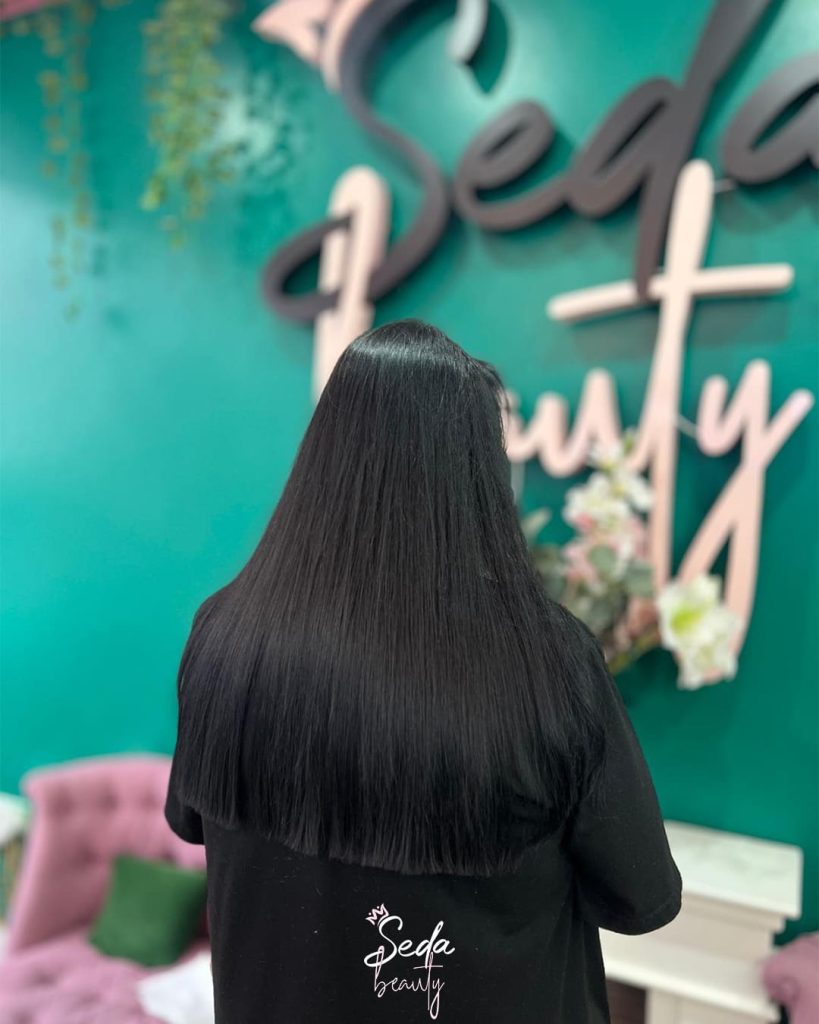
Massage the scalp for two to three minutes using fingertips in circular motions. Scalp massage provides blood circulation to hair follicles which enables delivery of essential growth nutrients. It protects hair roots while improving follicle operation which results in permanent hair loss prevention. Scalp health improves through regular massage because it helps distribute natural oils throughout the scalp while decreasing tension and dryness symptoms. The practice of daily massage during hair care routines improves the effectiveness of topical treatments including oils and serums.
Hydration and Leave In Treatments
You should apply a lightweight leave-in conditioner serum or hydrating spray to your hair when it is either damp or dry. The cortex needs hydration to maintain its structural integrity because it makes hair strands more flexible and less likely to break. Daily application of moisturizing products keeps hair soft and improves its texture while boosting its natural brightness. People who use leaves in treatments on a regular basis will experience reduced hair tangling problems which will help them protect their hair from damage that occurs through wind and pollution and sun exposure. Hydrated hair shows better styling results while it appears more healthy and maintains its colour and brightness for an extended time.
Heat Protection
You must apply heat protectant before using your hairdryer and straightener and curling tongs. Unprotected heat exposure leads to hair cuticle damage which results in dryness and frizz and split ends. Heat protectants create a protective barrier that decreases moisture loss while sustaining hair elasticity. The product protects against hair breakage while maintaining natural shine and strengthening hair for styling purposes. Anyone who styles their hair should use heat protection every day to maintain their hair health during styling.
Weekly Hair Care Routine: Deep Treatments for Long Term Nourishment
A weekly hair care routine repairs accumulated damage, deeply hydrates, and strengthens hair. Weekly care addresses issues that daily maintenance cannot fully resolve.
Deep Conditioning Treatment
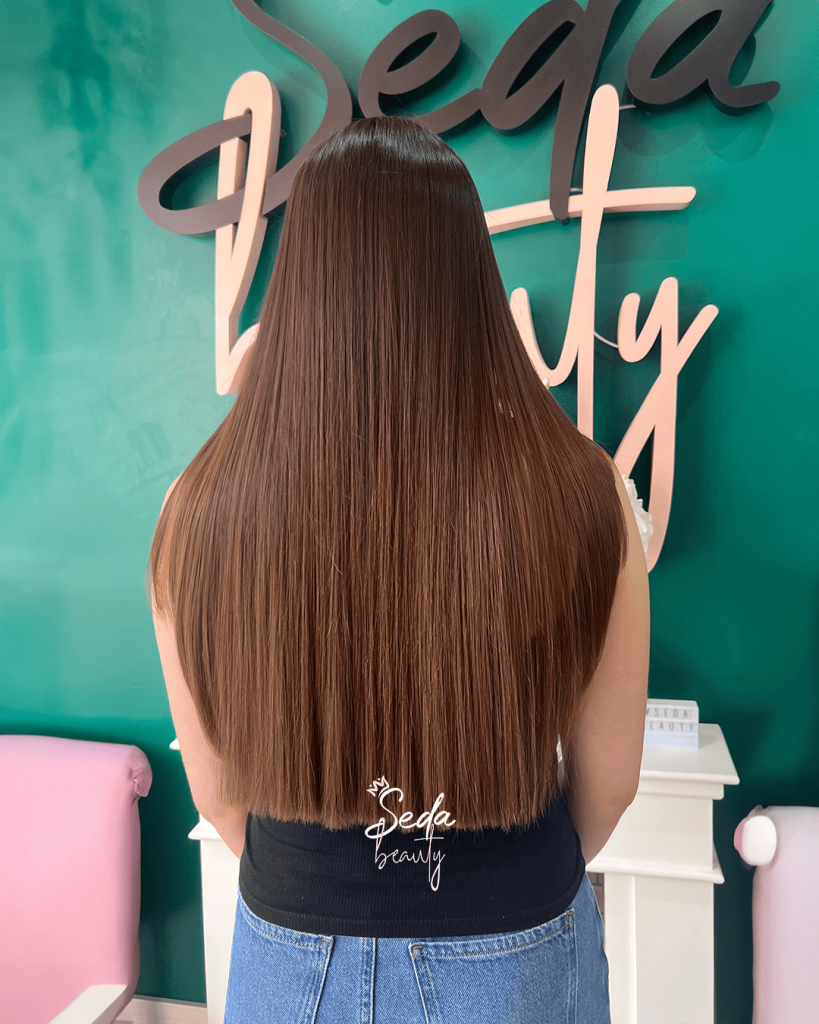
You should apply a deep conditioner or hair mask product to your hair from the middle section down to the ends. The product requires a specific time period which you must follow to achieve proper hair treatment results. Deep conditioning treatment restores all moisture that your hair loses through washing and environmental factors and heat styling. The treatment helps to fortify damaged hair sections while it creates a smooth surface and decreases hair frizz. The process of weekly deep conditioning treatments develops hair elasticity, which results in better protection against breakage and tangling. The product boosts hair shine and texture, which results in a more healthy appearance for your hair.
Oil Massage
You should apply coconut oil or argan oil or castor oil to your scalp and hair lengths. You should perform a massage for five to ten minutes to activate your hair follicles. The oils provide nourishment to the scalp while delivering moisture restoration and hair shaft strengthening from root to tip. Coconut oil enters the hair shaft to stop protein from being lost. Argan oil provides hair with both shine and smoothness. Castor oil helps strengthen hair follicles while also promoting hair growth. Weekly oil massages help decrease hair loss while enhancing scalp blood flow and shielding hair from environmental harm.
Clarifying Wash
The first sentence requires you to wash your hair with a clarifying shampoo once every week. The clarifying treatment completely removes all impurities from the hair to create a fresh light weight texture which allows for treatment products to be applied. This step prevents dullness, ensures hair absorbs conditioners and masks effectively, and maintains scalp health. People who use multiple styling products or who reside in polluted urban areas need to wash their hair with clarifying products on a regular basis.
Hair Mask Application
You should apply a hair mask designed to match your specific hair type once every week. Hair masks provide a deeper treatment than conditioners which enables them to fix broken hair and replace lost moisture while they fix damaged hair cuticles. The hair masks create stronger hair shafts which make hair more flexible and decrease breakage possibilities. The products also control frizz while they boost the natural shine of hair which creates soft hair that styling professionals find easier to work with. The application of hair masks on a weekly basis helps to solve specific hair problems which include dryness and colour damage and brittle hair ends because it functions as an essential component of a proper hair care regimen.
Monthly Hair Care Routine: Preventive Maintenance and Professional Support
A monthly hair care routine focuses on repair, prevention, and professional guidance. Monthly maintenance protects long term hair health and promotes optimal growth.
Trimming Split Ends
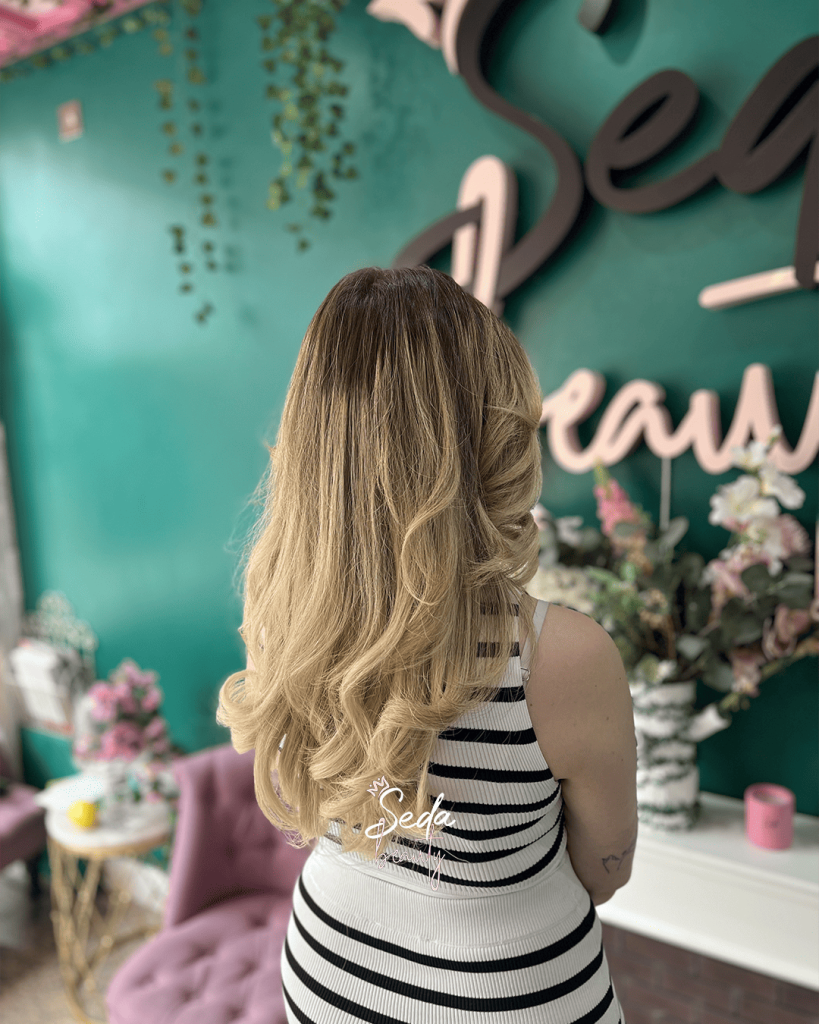
You need to schedule your first haircut appointment for the upcoming month. The hair should be cut every month because this practice helps to stop split ends from progressing to higher areas of the hair and maintains a tidy look. The process of maintaining your hair ends through trimming establishes strong hair ends which help you control your hair while preventing tangles and supporting healthy hair development. The process of trimming hair creates multiple advantages because it strengthens hair while improving their daily and weekly hair care results.
Protein Treatments
You should use protein treatments on hair which exhibits weakness and breakage and chemical damage. Protein treatment for hair offers multiple benefits because it strengthens the hair cortex while repairing cuticle damage and enhancing tensile strength. This step helps hair withstand daily styling and environmental stress through enhanced resilience. The best hair care routine includes protein treatments which preserve hair shaft integrity and work together with deep conditioning and hydration.
Scalp Treatments
Exfoliate and nourish the scalp with specialised treatments once a month. The products used for scalp treatments work to remove dead skin cells from the scalp and they also unclog hair follicles while they enhance blood circulation. The process results in improved hair growth while it decreases dandruff and dry scalp conditions and it enhances overall scalp health. The practice of monthly scalp maintenance helps hair grow at its best while it maintains hair thickness for an extended period.
Professional Consultation
Visiting a Waltham Abbey Hair Salon for professional evaluation and treatment complements home routines. Salon experts provide personalised advice while conducting advanced treatments that include protein infusions and trims and scalp therapy and they use their expertise to recommend suitable hair products based on individual hair types and conditions. The professional input helps to enhance your results because it guarantees that your home routines will deliver their maximum potential benefits.
Comparing Daily, Weekly, and Monthly Hair Care Routines

You can create an effective hair care routine through understanding how daily, weekly, and monthly routines differ from each other. The daily routine protects and maintains hair while the weekly routine provides repair and nourishment and the monthly routine prevents damage and improves results. The following table summarises the purpose, frequency, and key benefits of each routine.
| Routine Type | Benefits | Frequency | Purpose |
| Daily Hair Care Routine | Maintains moisture, prevents breakage, strengthens roots, improves manageability | Every day | Provides the foundation of hair health, protects hair from daily damage, supports growth |
| Weekly Hair Care Routine | Repairs damage, restores moisture, strengthens strands, reduces frizz | 1–2 times per week | Offers intensive hydration and repair beyond daily maintenance, prepares hair for styling |
| Monthly Hair Care Routine | Prevents split ends, strengthens hair structure, promotes growth | Once a month | Preventive maintenance, long term hair health, optimises results from daily and weekly routines |
The table shows that all three routines together keep hair strong, hydrated, and healthy. The three routines work together to create a complete hair care system which meets present needs while healing past hair damage and stopping future hair problems.
A comprehensive hair care program that includes daily and weekly and monthly hair care practices will deliver optimal results for hair health maintenance. Daily hair maintenance procedures safeguard hair from damage caused by environmental factors and hairstyling activities. The weekly treatments provide deep restoration because they hydrate and strengthen hair while repairing it. The monthly treatment stops split ends from forming while it improves scalp health and enables experts to assess the treatment results. The implementation of these hair care practices will result in hair that possesses strength and shine and durability and optimal health, which represents the fundamental aim of an environmentally friendly and successful hair care method.
0 Comments