
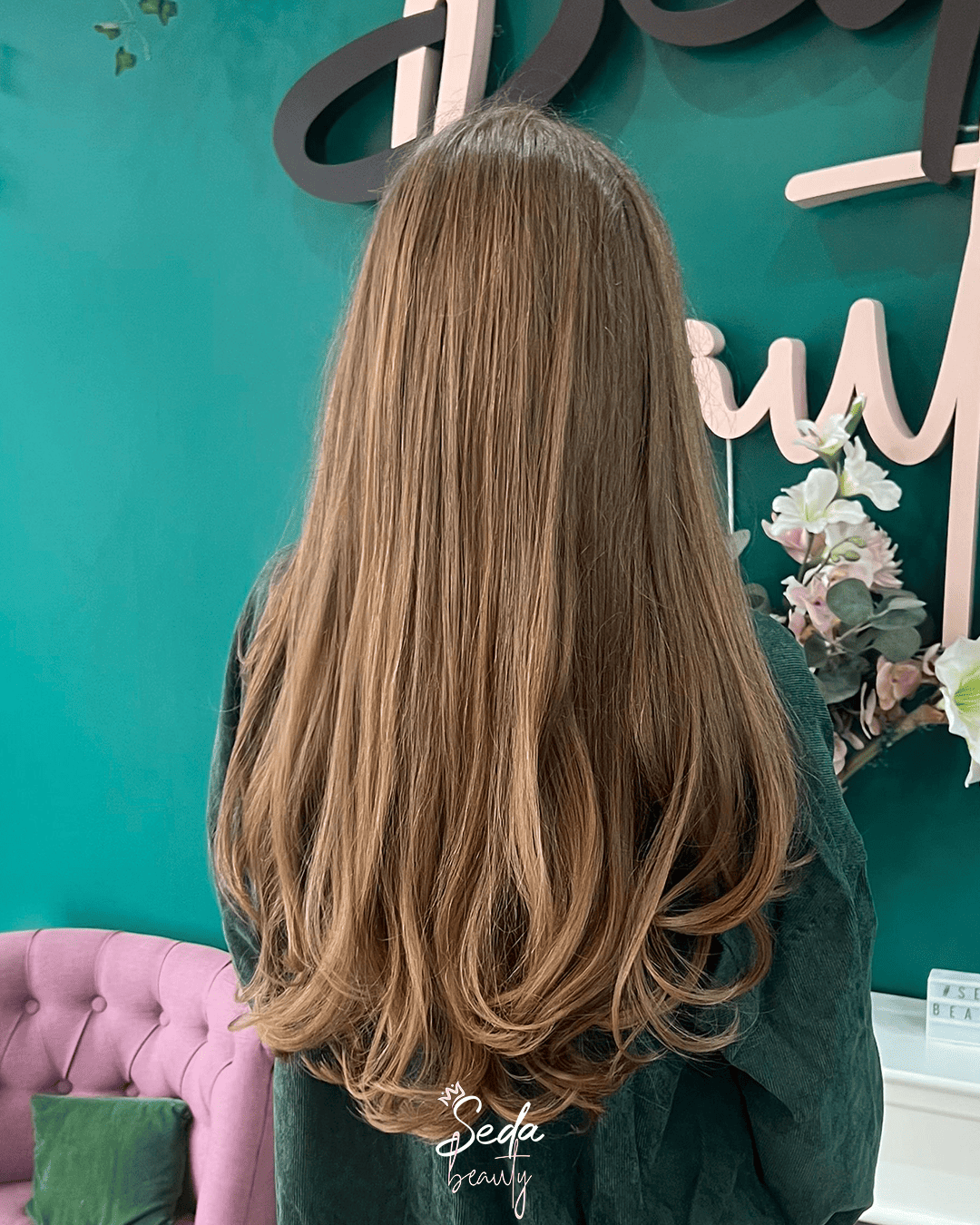
The common problem of damaged hair occurs because people use heat styling tools and chemical products and face environmental conditions and experience daily hair usage. Knowing how to repair damaged hair fast is essential not only for restoring its appearance but also for strengthening the hair from root to tip. The complete guide presents effective methods and hair care practices and expert methods which will help restore your hair and stop further harm to your hair.
Understanding the Causes of Hair Damage
Before implementing solutions, it’s important to understand why hair becomes damaged. The structure of hair strands consists of keratin, which functions as a fibrous protein that gives the hair both strength and elasticity. The system will experience damage when its fundamental structure faces destruction.
The following factors represent typical reasons which lead to hair damage:
- Excessive heat styling: Straighteners, curling irons, and hot blow dryers weaken the hair shaft.
- Chemical treatments: Hair colouring, bleaching, and perming strip natural oils and proteins.
- Environmental factors: Sunlight, wind, pollution, and chlorinated water can erode hair’s natural protection.
- Poor hair care practices: Over brushing, washing with very hot water, skipping conditioners, or rough towel drying can contribute to hair breakage.
The process of finding the cause enables the selection of the best solution for repairing damage.
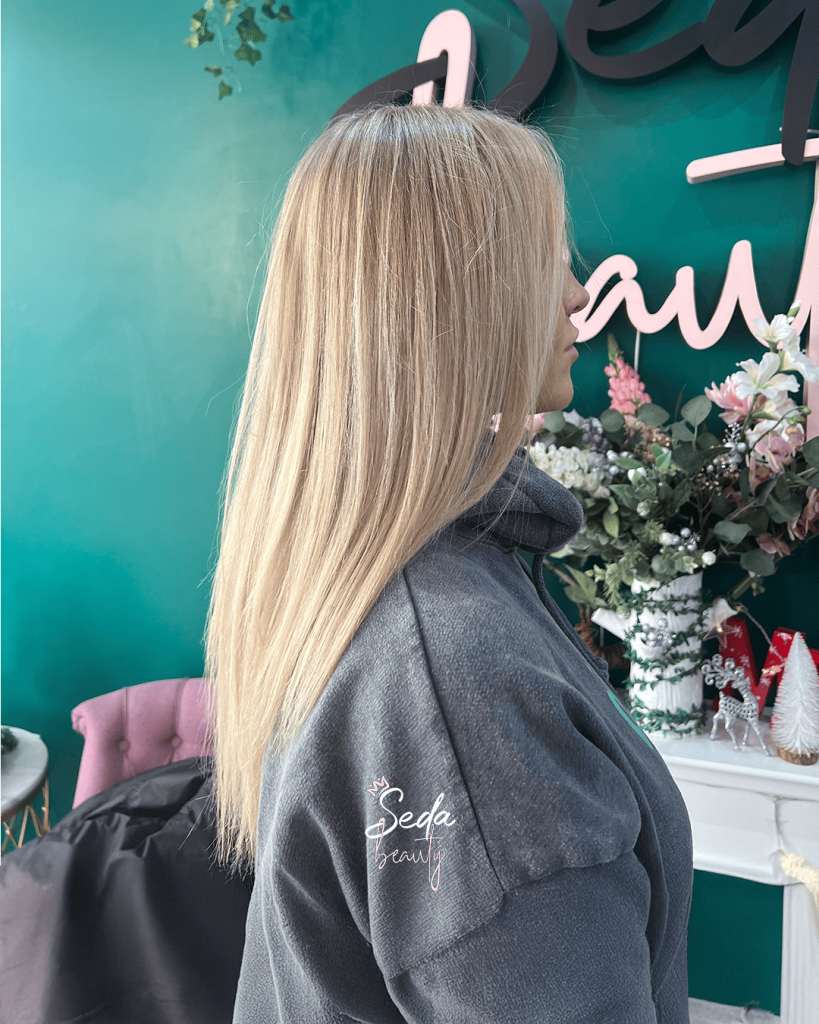
Quick and Effective Methods to Fix Damaged Hair Fast
If your hair shows signs of damage, acting quickly can make a noticeable difference. Here are proven methods to repair damaged hair fast:
1. Deep Conditioning Treatments That Restore Moisture and Strength
Deep conditioning for damaged hair helps replenish moisture, proteins, and essential nutrients in the hair shaft. Regular use reduces dryness, prevents breakage, and restores shine.
DIY and professional deep conditioning options:
| Treatment Type | Key Ingredients | Benefits |
| Moisturising hair mask | Natural oils (argan, coconut, jojoba), shea butter | Deep hydration, reduces frizz, improves softness |
| Protein rich hair mask | Keratin alternatives, hydrolysed protein | Strengthens weakened hair, repairs minor breakage |
| Overnight treatment | Leave in conditioner, natural oils | Continuous nourishment and repair while sleeping |
Applying a hair mask 1–2 times per week can dramatically improve hair texture and prevent hair breakage.
2. Minimising Heat Styling and Using Protective Products
Heat is a major contributor to hair damage. To repair damaged hair fast:
- Reduce the use of straighteners, curling irons, and hot blow dryers.
- Always apply a heat protectant before styling.
- Use lower temperature settings on styling tools.
- Whenever possible, let hair air dry to reduce stress.
Using protective products ensures treatments like deep conditioning are more effective and prevents further damage.
3. Regular Trimming and Structured Hair Care Routine
Trimming does not repair existing damage but prevents split ends from worsening, supporting stronger hair growth.
Suggested hair repair routine:
- Trim every 6–8 weeks.
- Wash hair 2–3 times per week with gentle, sulphate free shampoos.
- Use a leave-in conditioner daily.
- Detangle hair with a wide tooth comb to avoid breakage.
This combination of regular trimming and routine care keeps hair healthy and reduces breakage.

4. Choosing the Right Products for Damaged Hair Without Relying on Brands
Selecting appropriate products is key to repair and long term maintenance. Look for options that focus on hydration, protein support, and cuticle protection.
Tips for choosing products:
- Use moisturising shampoos and conditioners rich in natural oils.
- Protein based treatments help restore weakened hair strands.
- Avoid products containing harsh sulphates or alcohol that dry the hair.
- Leave in conditioners and serums provide daily protection and nourishment.
Professional guidance from a reputable salon can also help you select the best products for your hair type and level of damage.
5. Protective Hairstyles and Gentle Hair Practices
The following hairstyles provide protection against mechanical damage while decreasing hair breakage:
- Loose buns and soft braids plus gentle ponytails create hairstyles which keep their tension levels at acceptable limits. The scalp requires protection from tight hairstyles which create pulling forces.
- Silk or satin pillowcases should be used for sleeping because they help to decrease friction during sleep.
- The correct method for drying hair involves using a gentle patting motion instead of using a vigorous towel rubbing method.
The way you style your hair will determine whether your hair repair efforts succeed or fail when you establish these habits.
Advanced Hair Repair Treatments at Salons
Professionals can repair severely damaged hair more effectively through their specialised treatments than through standard home treatment methods. The trained stylist or hair professional provides customised treatments which match your specific hair type and condition and existing damage level to achieve optimal results while protecting your hair from further breakage. The following section presents detailed explanations of the most effective salon treatments available.
- The bond repair treatments restore broken hair proteins which result from chemical hair treatments like colouring and bleaching and perming and from heat damage by styling tools. The bond repair treatments use molecular mechanisms to restore hair strength through broken strand reconnection which results in reduced breakage and restored elasticity and improved hair strength. Regular sessions allow you to sustain healthy hair growth even after your hair has experienced extreme damage.
- Keratin treatments create a smooth hair cuticle which decreases frizz and increases hair glossiness. These treatments introduce keratin proteins into the hair shaft which strengthens the hair and improves its manageability. Keratin treatments create a protective barrier which defends hair against heat and environmental harm while enabling smoother styling that results in healthier hair.
- Scalp treatments and massages: The existence of a healthy scalp establishes the basis which allows hair to grow properly. Professional scalp treatments clean the scalp while they provide nourishment to remove buildup and create better blood flow. Scalp massages during these treatments help deliver nutrients to hair follicles which results in stronger and thicker hair growth along with improved hair texture and resilience. The practice of regular scalp maintenance enables faster recovery from hair damage while it maintains hair health for an extended period.
A professional consultation provides treatment options which match your hair requirements. The targeted method of this process provides complete restoration benefits which strengthen hair strands while it protects against future harm. The method serves as a required procedure for individuals who want to treat their severely damaged hair.
Nutrition and Lifestyle Tips to Support Hair Repair
Hair repair is not just external care; diet and lifestyle play a significant role. Proper nutrition supports hair strength and encourages faster recovery:
Key nutrients for hair repair:
- Protein: Eggs, fish, legumes, and nuts strengthen hair strands.
- Omega-3 fatty acids: Flaxseeds, walnuts, and fatty fish promote scalp health.
- Vitamins and minerals: Biotin, zinc, and vitamin E support hair growth and repair.
A balanced diet enhances the benefits of hair care routines and treatments.
Sample Weekly Hair Repair Routine
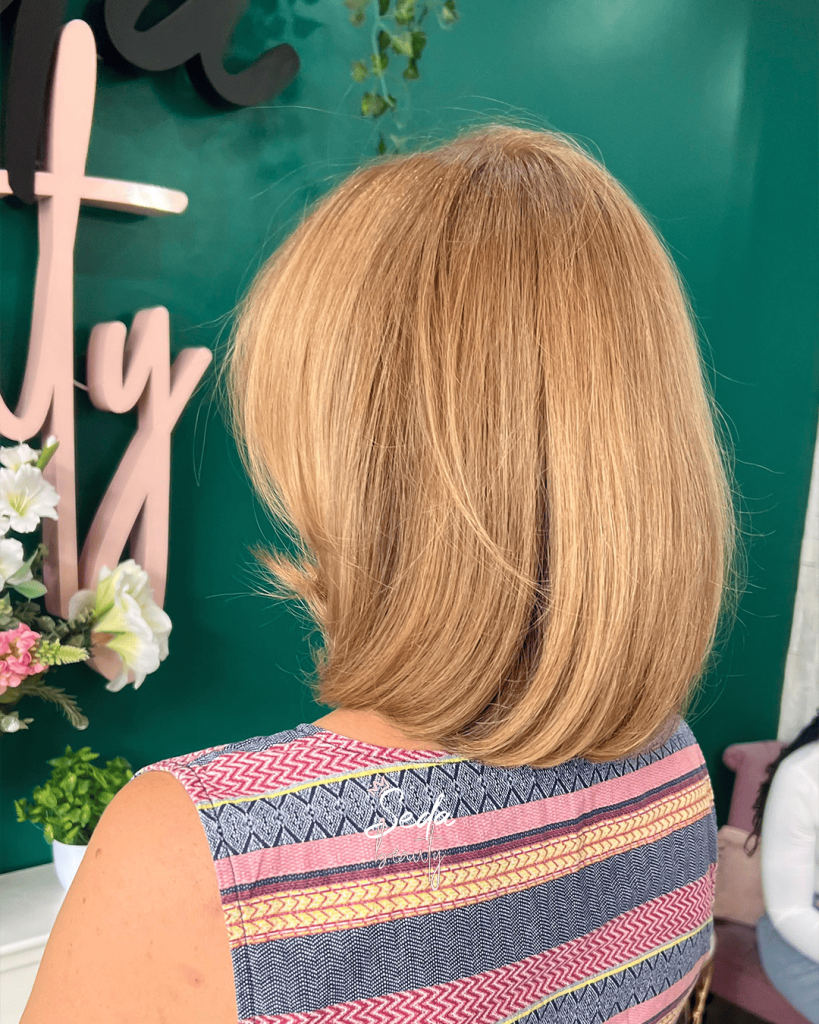
You need your hair to get proper care through a scheduled weekly routine which delivers essential nutrients and hydration and protective functions. The routine enables you to concentrate on particular hair restoration procedures because you will execute different tasks on designated days of the week. The method establishes moisture equilibrium while it strengthens hair fibers and decreases the risk of hair breakage.
| Day | Routine |
| Monday | Wash hair with gentle shampoo + apply a deep conditioning mask |
| Wednesday | Apply leave in conditioner + detangle with wide tooth comb |
| Friday | Hair oil treatment + protective hairstyle for the evening |
| Sunday | Scalp massage + overnight nourishing treatment |
You need to follow this weekly routine because it will help you maintain your entire hair. The combination of deep conditioning, leave in care, protective styling, and scalp treatments supports stronger, shinier, and healthier hair over time. The plan enables damaged hair to restore its natural vitality and strength through consistent implementation.
Long Term Strategies to Prevent Future Hair Damage
The period after hair restoration requires individuals to maintain hair health because any damage will lead to new hair issues. The first step requires people to reduce both chemical treatments and heat styling for their hair. Hair strength lasts longer when people space out hair dyeing and bleaching along with straightening and curling services while choosing less damaging methods. A hair repair system needs to be followed because it makes your hair stronger while preventing breakage.
Environmental stressors require hair protection because they bring equal importance to hair protection. The sun and wind along with pollution create hair damage which requires outdoor protection through sprays and hats and scarves to maintain healthy hair. Professional hair care requires people to seek expert help when they need to visit a salon for special hair treatments which helps them track their hair progress and deal with new problems. Hair that suffered damage can regain its strength and sparkle and essential health with proper ongoing treatment.
The process of quick hair repair requires three elements which include immediate response and ongoing hair care and professional assistance. The combination of deep conditioning treatments with protein rich masks and protective hairstyles together with proper nutrition and gentle daily care delivers a complete solution for restoring hair health. The following strategies help you restore damaged hair while preventing breakage and obtaining naturally shiny hair that maintains its strength. The path to reaching results which last for extended periods requires three essential elements: The process needs you to show patience while you work consistently and manage your activities with attention to detail.
elegant nails Waltham Cross
0 Comments